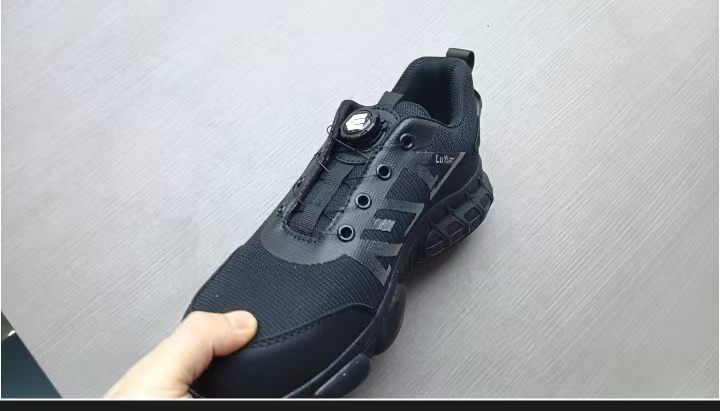
If you look at a pair of modern safety shoes, it may seem like a simple product. A leather boot, a steel toe, a thick sole. But in reality, safety footwear is a combination of several technical materials working together.
After spending years working with safety shoe factories in China, I’ve noticed that experienced buyers often pay more attention to materials than to appearance. Two safety shoes may look identical in photos, but the materials inside can make a huge difference in durability, comfort, and compliance with standards such as EN ISO 20345.
Understanding these materials is one of the easiest ways to avoid quality surprises after delivery.
Upper Materials Used in Safety Footwear
The upper is the first line of protection and also one of the most visible parts of the shoe.
In most industrial safety footwear, leather is still the dominant material. Full-grain leather is widely used in heavy-duty work boots because it provides strong abrasion resistance and better structural stability. It also tends to age better over time, which is why many European buyers prefer it for construction or industrial use.
Split leather is often used for more cost-sensitive models. It can still perform well if properly treated, but its durability is usually lower than full-grain leather.
In recent years, microfiber has become increasingly popular in certain industries. Buyers in food processing or pharmaceutical environments often choose microfiber safety shoes because they are easier to clean and maintain hygienic standards.
Toe Cap Materials: Steel vs Composite
When people think about safety footwear, the toe cap is usually the first thing that comes to mind.
Steel toe caps remain the most common choice in global safety footwear production. They are reliable, affordable, and widely trusted in heavy industries such as construction and manufacturing.
Composite toe caps are becoming more common in modern designs. These are typically made from fiberglass, carbon fiber, or reinforced plastics. Compared with steel toes, composite materials are lighter and non-metallic.
This makes them suitable for workplaces with metal detectors or environments where electrical insulation is required.
From a production perspective, composite toe caps require slightly different assembly processes, especially during the lasting stage.
Puncture-Resistant Midsole Materials
Another important safety component sits hidden inside the shoe — the puncture-resistant midsole.
Traditionally, safety shoes use steel midsoles to protect the foot from nails or sharp objects on the ground. Steel plates offer extremely strong protection, but they also add weight and reduce flexibility.
Many modern safety shoes now use textile puncture-resistant materials such as Kevlar or other high-strength fibers. These materials allow the shoe to bend more naturally and feel more comfortable during long working hours.
However, textile midsoles require more precise placement during manufacturing to ensure full coverage of the foot.
Outsole Materials in Modern Safety Boots
The outsole plays a major role in comfort, durability, and slip resistance.
Polyurethane (PU) outsoles are widely used in modern safety footwear. They are lightweight and provide good cushioning, which is important for workers who stand or walk for long periods. Many European safety shoes use dual-density PU soles to balance comfort and durability.
Rubber outsoles are usually chosen for more demanding environments. They offer better heat resistance and stronger grip, making them suitable for industries such as metalworking or heavy manufacturing.
Some safety shoes combine PU and rubber to achieve both comfort and durability.
Internal Materials That Affect Comfort
Many buyers focus on the visible parts of safety footwear, but internal materials often determine how comfortable the shoes feel during daily use.
Breathable mesh lining helps manage moisture and improve airflow inside the shoe. Poor-quality lining materials are actually one of the most common reasons workers complain about safety footwear.
Insoles also play an important role. EVA foam, PU foam, and memory foam insoles are widely used to improve cushioning and support.
In many cases, upgrading the insole can significantly improve the overall comfort of the shoe without increasing production costs too much.
Why Material Selection Matters in Safety Footwear
From a manufacturing perspective, most quality problems in safety footwear do not start during assembly. They start with material selection.
Leather thickness, outsole density, toe cap quality, and midsole materials all influence how the shoe performs in real working conditions.
That is why experienced safety footwear buyers often spend more time discussing materials than design details.
Because in safety footwear, materials are not just components. They define the product.
FAQ: Safety Footwear Materials
What material is best for safety shoe uppers?
Full-grain leather is generally considered the most durable material for safety shoe uppers. However, microfiber is increasingly used in industries that require easier cleaning and hygiene control.
Are composite toe caps safer than steel toe caps?
Both steel and composite toe caps can meet the same safety standards. Composite toes are lighter and non-metallic, while steel toes are more traditional and widely trusted in heavy industries.
What materials are used for puncture-resistant soles?
Safety shoes typically use either steel plates or textile puncture-resistant materials such as Kevlar or other high-strength fibers.
What is the most common outsole material for safety shoes?
Polyurethane (PU) is the most widely used outsole material because it is lightweight and comfortable. Rubber outsoles are used for high-heat or heavy-duty environments.