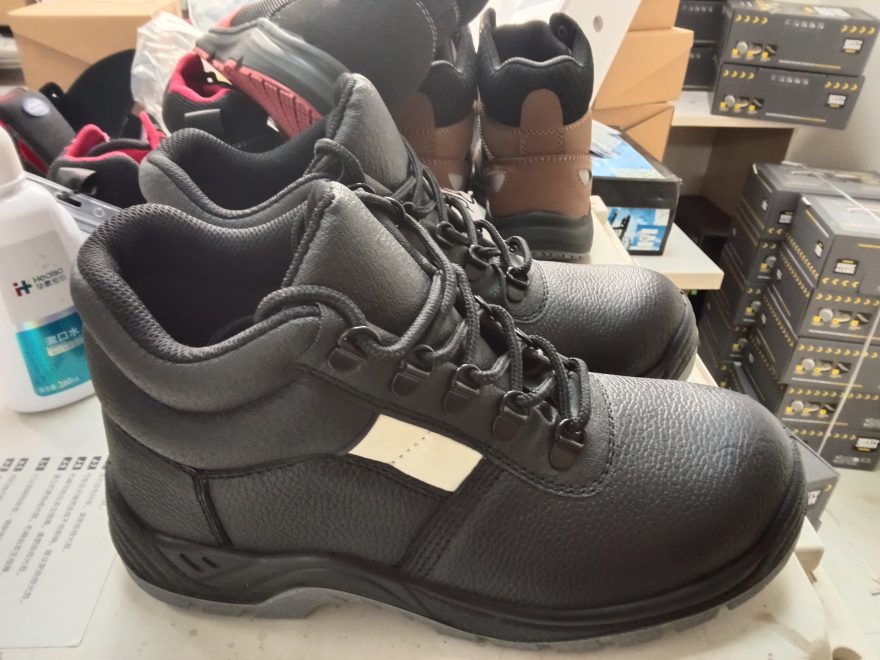
If you’ve ever worked inside a safety shoe factory, you’ll quickly realize one thing: quality is not something you check at the end — it’s something you either build in… or pay for later.From the outside, many buyers still focus heavily on final inspection. They believe that once a shipment passes AQL, the job is done. But from where I stand — on the factory floor — the real battle happens much earlier.
Why Final Inspection Feels Safe (But Isn’t)
Final inspection looks clean and structured. You have numbers, defect categories, and a clear “pass or fail” result. Systems like AQL give buyers a sense of control.In fact, most international brands still rely on this logic: inspect at the end, reject if needed, and push the factory to fix.But here is the uncomfortable truth:
by the time you reach final inspection, 90% of the cost has already been locked in.
If a problem shows up at this stage — wrong material, poor bonding, unstable outsole — you’re not fixing quality anymore. You’re dealing with rework, delays, or even order cancellation.And in some factories (especially smaller ones), “passing inspection” can sometimes mean hiding problems rather than solving them.
What Inline Inspection Really Does
Inline inspection doesn’t look as impressive on paper. There’s no big report, no final verdict. But it quietly controls the most critical risks.In a typical safety shoe production line, issues don’t appear suddenly at the end. They build up step by step:
- Cutting errors become fitting problems
- Stitching inconsistencies affect durability
- Improper bonding leads to outsole separation
- Moisture control failures lead to mold issues later
(If you’ve seen real production, you know how fast small deviations escalate.)
Inline inspection works like a pressure valve. It catches these problems while they are still cheap to fix.Instead of asking “Does this shipment pass?”, it asks:“Is this process still under control?”
The Reality in Many Chinese Factories
Let’s be honest — not every factory runs a strong inline system.In smaller or fast-moving factories, production speed often overrides process control. Supervisors focus on output, and QC becomes reactive instead of preventive.
Even when a quality manual exists, execution can vary. For example, many systems clearly define inspection stages and AQL-based final checks, but they also emphasize continuous monitoring during production and corrective action loops .
The gap is not in standards — it’s in discipline.This is exactly where buyers face hidden risks.
Inline vs Final: It’s Not Either-Or
Good factories don’t choose between inline and final inspection. They use both — but for very different purposes.Inline inspection is about process control.Final inspection is about risk confirmation.If inline fails, final inspection becomes a gamble.If inline is strong, final inspection becomes a formality.
What Smart Buyers Are Starting to Do
More experienced buyers — especially those who have been burned before — are shifting their focus.Instead of asking only for final reports, they start asking:
- Who is responsible for inline QC?
- How often are defects reviewed during production?
- What happens when a defect trend is detected?
- Can I see real production photos, not just finished goods?
Some even request mid-production inspections or real-time updates.This is not about control. It’s about visibility.
If you rely only on final inspection, you are essentially outsourcing your risk to luck.If you invest in inline control — even in a simple, practical way — you reduce surprises, delays, and long-term costs.For factories, this means building a habit of checking during production, not after.For buyers, it means choosing partners who are transparent during the process, not just confident at the end.Because in safety footwear, one defect is not just a return — it can become a liability.
FAQ
1. Is final inspection enough to guarantee quality?
Not really. Final inspection only reflects a sample of finished goods. It cannot fully detect process-related issues that may affect long-term performance.
2. Why do some factories still rely heavily on final inspection?
Because it’s easier to standardize and document. Inline inspection requires discipline, trained staff, and real-time decision-making.
3. Does inline inspection increase production cost?
In the short term, slightly. But in reality, it reduces rework, delays, and claims — making it more cost-effective overall.
4. What is the biggest risk of skipping inline inspection?
Systemic defects. If a mistake happens early and goes unnoticed, it can affect the entire batch.
5. How can buyers verify if inline inspection is actually happening?
Ask for in-line photos, defect logs, and communication during production — not just final reports.
- Payment Risks in Safety Shoes Import Business — What Most Buyers Only Learn After Losing Money?
- Factory Direct vs Trading Company: What Importers Should Know?
- Common Mistakes New PPE Importers Make
- How to Verify a Safety Shoes Manufacturer ?
- Why Sample Quality Is Different from Bulk Production?
- Why Relying Only on Final Inspection Is a Hidden Risk in Safety Shoe Manufacturing?