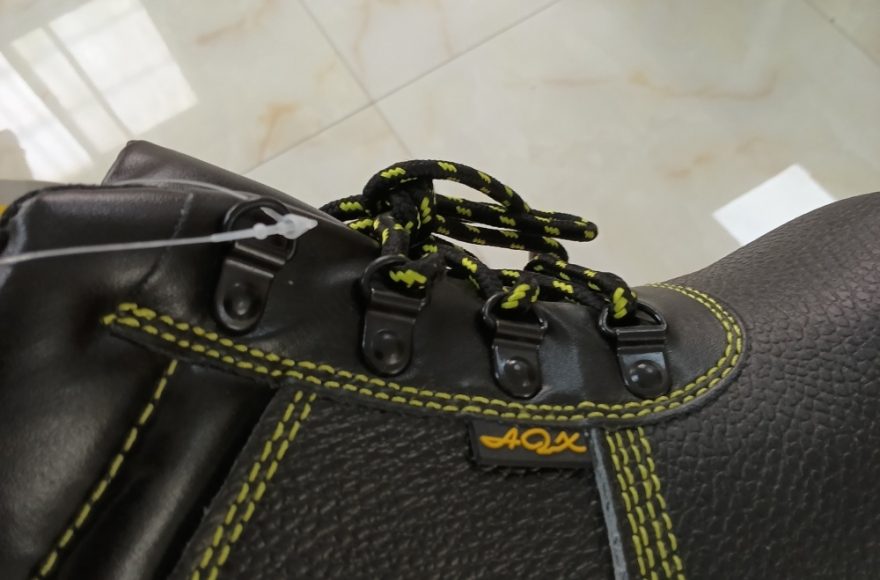
For many importers, ordering OEM safety shoes from China can feel a little unclear at first. Buyers usually see the final product — the finished boots packed in cartons — but the process inside the factory is rarely visible. In reality, most Chinese safety footwear factories follow a fairly structured workflow once an OEM order is confirmed.
Having worked with safety shoe production in China, I’ve seen that the success of an OEM project usually depends less on the factory’s machinery and more on how clearly the technical details are understood before production begins.
The Process Usually Begins With Technical Confirmation
Before anything moves into production, the factory typically focuses on confirming technical specifications with the buyer. This stage is often underestimated, especially by companies placing their first OEM order.
An OEM safety shoe order is rarely just a standard model with a different logo. Buyers often adjust several elements of the product, such as the upper material, the outsole compound, the type of toe cap, or the puncture-resistant midsole. Some customers also require the product to meet specific safety standards depending on their market.
Even small technical adjustments can affect the performance of the final boot. Changing the outsole from PU to rubber, for example, can influence durability, flexibility, and overall weight. Because of this, many Chinese factories prepare a detailed technical sheet that lists the materials, components, and construction details before moving forward.
This stage helps both sides avoid misunderstandings later in production.
Sample Development Is an Important Step
Once the technical details are confirmed, the next step usually involves developing samples. In most cases, Chinese factories will not start bulk production immediately.
The purpose of sampling is not only to show the appearance of the product but also to confirm structure, fitting, and comfort. Safety shoes are functional products, and a design that looks good on paper may require adjustments once it becomes a physical sample.
For buyers supplying European markets, the sampling stage sometimes includes preparing products for laboratory testing under standards such as EN ISO 20345. Even when formal testing is scheduled later, the factory still pays attention to the technical details during sample development.
Depending on the complexity of the design and the availability of materials, sample preparation usually takes a few weeks.
Material Preparation Often Determines the Production Timeline
After the sample is approved, the factory begins preparing the materials needed for bulk production. This includes ordering leather, outsoles, protective toe caps, linings, and other components.
In many safety footwear projects, this stage quietly determines the overall delivery schedule. Certain materials are sourced from specialized suppliers, and their production lead times can influence when the factory can start manufacturing.
Factories with more experience in export orders typically confirm material availability before promising a delivery date. This helps prevent unexpected delays once the order has already been scheduled.
Production Moves Through Several Workshops
When all materials arrive, the order enters the manufacturing stage. Safety shoe production is usually organized across several workshops inside the factory.
Different teams handle cutting, stitching, and lasting operations. Dividing the work this way helps factories manage larger orders more efficiently and maintain consistent quality.
During production, internal quality control teams regularly check the products moving along the line. These inspections focus on details such as the correct placement of the protective toe cap, the bonding between outsole and upper, and the overall finishing of the shoe.
Detecting small issues early helps avoid larger problems once the entire batch is completed.
Final Inspection Before Shipment
Once production is finished, most OEM orders go through a final inspection before shipment.
Some buyers rely on the factory’s internal quality team, while others arrange third-party inspection services. The inspection normally verifies the overall appearance of the shoes, the packaging condition, labeling accuracy, and product quantity.
For safety footwear, proper marking and labeling are particularly important. Certification information, size markings, and safety symbols must match the product specifications and regulatory requirements of the destination market.
Packaging and Container Loading
After inspection approval, the order moves to the packaging stage. Safety shoes are typically packed in individual boxes and then placed into export cartons.
Because sea transportation can take several weeks, factories often add moisture protection measures to reduce the risk of mold during shipping. Once the cartons are loaded into the container and sealed, the shipment is ready to leave the factory for the port.
Why Understanding the OEM Process Helps Buyers
For importers, having a basic understanding of how Chinese factories handle OEM safety shoe orders can make cooperation much smoother.
Many production issues are not caused by poor manufacturing, but by unclear expectations in the early stages of the project. When buyers understand how the process works—from technical confirmation to sample development and material preparation—it becomes easier to communicate with factories and avoid unnecessary delays.
China remains one of the world’s most important manufacturing bases for safety footwear, and many factories have accumulated years of experience producing OEM work boots for international markets. With clear communication and realistic timelines, OEM projects can run surprisingly smoothly.
FAQ About OEM Safety Shoes Orders in China
1. What is the typical MOQ for OEM safety shoes in China?
Most factories require a minimum order quantity between 800 and 1500 pairs per model, depending on materials and customization level.
2. How long does it take to produce OEM safety shoes?
After sample approval, bulk production usually takes around 35 to 50 days, depending on material availability and order size.
3. Can Chinese factories produce safety shoes under European standards?
Yes. Many factories manufacture safety footwear that complies with EN ISO 20345 and other international standards.
4. Do buyers need third-party inspections?
It is not mandatory, but many importers use third-party inspection services to verify quality before shipment.
5. What causes delays in OEM safety shoe orders?
The most common reasons include late material delivery, design changes after sample approval, and certification requirements.
- Why Small Problems in Safety Shoe Factories Often Turn Into Big Ones?
- Inside a Chinese Safety Shoes Factory: Real Production Workflow
- Why Most Safety Footwear Complaints Start Inside the Factory?
- When a Safety Shoe Is Made Wrong, the Problem Is Rarely on the Production Line
- Overpromising Delivery Time Is Slowly Killing Safety Shoe Factories.