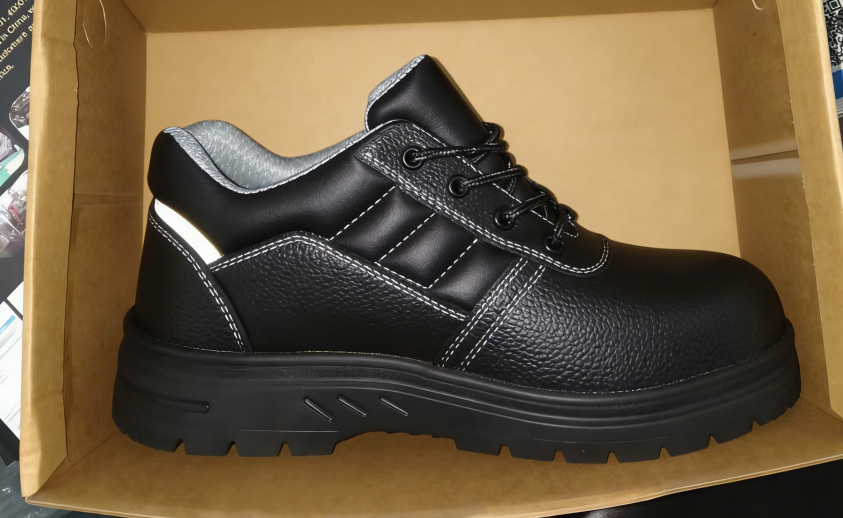
When a shipment is delayed, the first reaction is often simple:
“Production is slow.”
But in many safety shoe orders I’ve worked on, the real problem starts much later — or rather, much earlier — with packaging materials.
The shoes are finished.
Quality is approved.
Everyone is waiting for shipment.
And then someone realizes:
the boxes are not ready.
Why Packaging Is So Often Underestimated
Packaging is usually treated as a small, flexible detail.
Common assumptions include:
- “We can order boxes later.”
- “Packaging is easy to rush.”
- “If something goes wrong, we’ll fix it quickly.”
In reality, packaging has its own production cycle, suppliers, and capacity limits.
Once packaging is late, finished goods cannot ship, no matter how fast production was.
The Real Issue: Plans Were Never Aligned
In most delay cases, packaging suppliers didn’t fail —
the project timeline was never synchronized.
Typical problems include:
- Production starts, but packaging is not ordered at the same time
- Final packaging design not confirmed when the order is placed
- Multiple language or market versions overlooked
- No shared schedule between factory, trading company, and packaging supplier
As a result, shoes follow one timeline, while packaging follows another.
The Hidden Cost of Late Packaging
Late packaging doesn’t just mean a few extra days.
It often leads to:
- Finished goods blocked in the warehouse
- Increased storage and cash-flow pressure
- Missed vessel schedules and higher logistics costs
- Emergency packaging changes that may create branding or compliance risks
In regulated markets, packaging is not decoration —
it is part of the product compliance and brand image.
The More Professional Approach: Packaging First, Not Last
In well-managed orders, packaging is treated as a core material, not a final step.
Best practice includes:
- Confirming packaging specifications at order confirmation
- Ordering packaging materials together with main components
- Including packaging lead time in the master production schedule
- Involving packaging suppliers early, not at the last minute
When packaging is planned upfront, delivery reliability improves dramatically.
Final Thought
Many shipment delays are not caused by slow factories —
they are caused by planning blind spots.
On-time delivery is not about one fast process.
It’s about putting every part of the order on the same timeline.