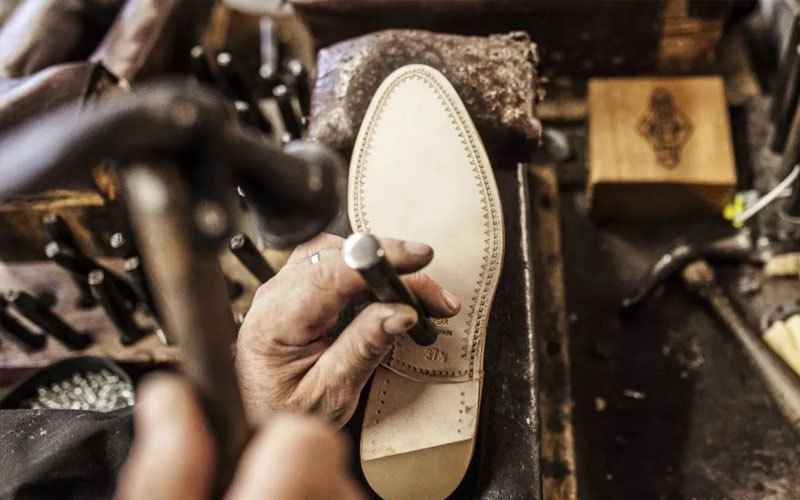
In Small and Medium Safety Shoe Factories in China
In safety shoe manufacturing, delivery delays rarely start on the production line. From my experience working with small and medium-sized safety shoe factories in China, the real turning point of most delays happens much earlier — when key raw materials do not arrive on time.
Buyers usually focus on price, lead time, and compliance documents. Inside the factory, however, everything depends on one simple question: when do the main materials actually arrive at the factory?
Why late materials disrupt the entire schedule
From the outside, the production process looks straightforward: cutting, stitching, lasting, finishing, and packing. In reality, especially in smaller factories, production stages are tightly connected.
When critical materials such as uppers, soles, or steel toe caps are delayed, the impact is rarely limited to a few days.
- Production plans are pushed back
- Pre-arranged labor and machine slots are lost
- Other orders are forced to shift or overlap
Eventually, buyers hear the familiar message:
“Production is slightly delayed.”
But by the time this message appears, the delay was already decided days earlier —
when materials failed to arrive.
How this problem usually happens in small factories
Unstable upstream suppliers
Many safety shoe factories rely on small or mid-sized material suppliers. During peak seasons, these suppliers naturally prioritize larger customers. Once a delay happens upstream, the factory has limited room to react.
No safety stock for key materials
To reduce cash pressure, small factories often keep inventory as low as possible. This works only when everything goes exactly as planned. When materials arrive late, there is no buffer to protect the schedule.
Lead time confirmed as a total number
In many cases, only the total lead time is confirmed. Material arrival dates are assumed rather than controlled. Without breaking lead time into stages, risks remain hidden until production is affected.
How we try to control this risk in practice
Keep minimum safety stock for critical materials
Not every material needs inventory. But for standard soles, common steel toe caps, and frequently used components, even a small buffer can prevent a full production stop.
Separate material lead time from production lead time
Internally, we evaluate orders by stages:
- Latest acceptable material arrival date
- Processes that can start earlier
- Processes that must wait for materials
This makes risks visible early — not after production has already slowed down.
Report material risks early
In small factories, there is often hope that delays will disappear. In reality, delayed materials rarely arrive earlier than promised. The earlier buyers are informed, the more options remain.
Final thoughts
Late material arrival does not mean a factory is unprofessional. It is a common risk in small and medium manufacturing environments.
What truly matters is whether the supplier understands where the risk appears — and how it is controlled before it becomes a delivery problem.