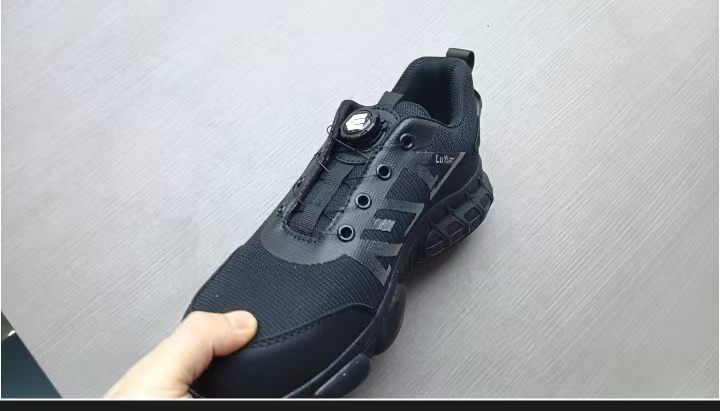
In safety shoe production, quality problems are not always caused by poor workmanship. One commonly overlooked risk is sudden increases in raw material prices, especially after an order price has already been confirmed.
Many buyers focus on unit price and delivery time. Inside the factory, however, a more basic question often decides stability: Are the key materials already secured at a fixed cost?
How rising material prices turn into quality problems
Materials such as uppers, PU or rubber soles, steel toe caps, and puncture-resistant midsoles make up a large part of total safety shoe cost. When these materials increase in price unexpectedly, factories face immediate pressure.
• Absorb the loss
• Replace materials
• Reduce cost in less visible areas
The second and third options are where quality risks usually begin.
Material changes don’t always fail immediately
When materials are replaced under cost pressure, problems are often not obvious at first. Shoes may still pass inspection and look acceptable.
Issues usually appear later:
- Different foot feel compared to samples
- Reduced slip resistance or rebound
- Comfort differences between pairs
- Durability complaints after real use
These problems are especially sensitive for branded footwear, uniform programs, or repeat orders.
Why small or custom orders are more exposed
Small and medium factories usually have limited bargaining power with material suppliers. For low-volume, customized, or first-time orders, materials are often purchased specifically for that project.
When prices change, there is little buffer to protect consistency.
How experienced factories control this risk
In practice, stable suppliers usually:
- Confirm key material specifications before order acceptance
- Check whether materials are in stock or can be price-locked
- Bind material range clearly to order specifications
This approach does not guarantee the lowest price, but it greatly improves consistency and predictability.
Final thought
Material price fluctuations are normal in manufacturing. They do not automatically mean a factory is unreliable.
What matters is whether material conditions are still changing after the order price is confirmed. For safety shoes, stability is often more valuable than short-term savings.